
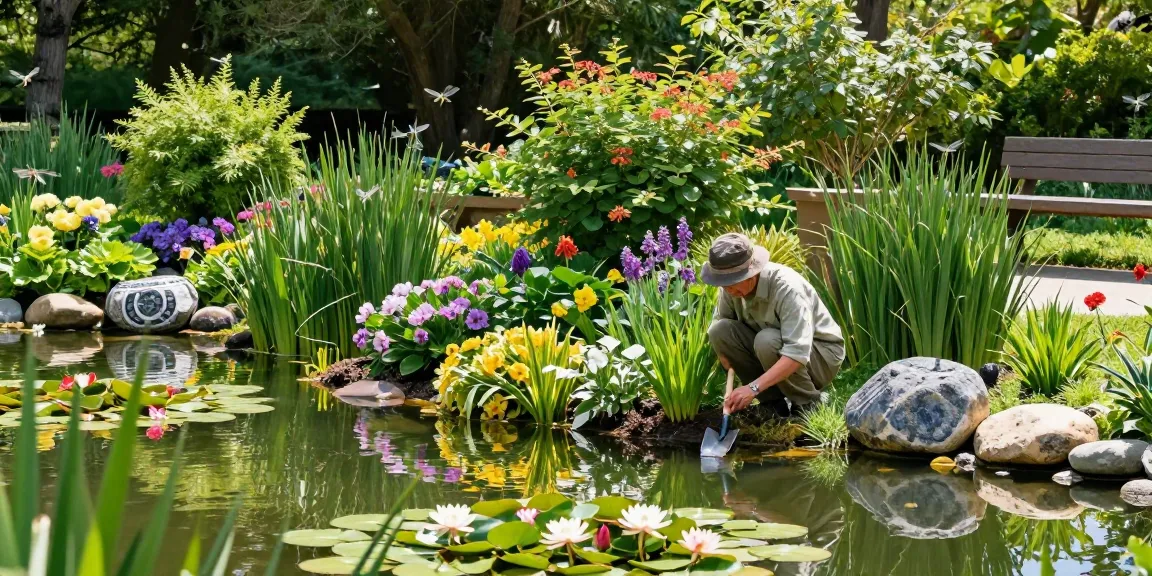
Understanding Marginal Pond Plants
Marginal pond plants are an integral part of any aquatic garden, offering both functional and aesthetic benefits. These plants typically thrive in the shallow waters at the periphery of ponds or water features, creating a lush habitat that supports diverse wildlife. When exploring options, Marginal Pond Plants provide comprehensive insights into the various types available, ensuring you can enhance your garden’s ecosystem effectively.
What are Marginal Pond Plants?
Marginal pond plants are species that grow at the water’s edge, where soil meets water. They play a critical role in the pond ecosystem, contributing to the health and stability of aquatic environments. These plants are characterized by their roots submerged in water while the rest of the plant emerges above the surface, allowing them to establish a vibrant habitat for various organisms.
Importance of Marginal Plants in Aquatic Ecosystems
Marginal pond plants are essential for maintaining the ecological balance of pond environments. They provide shelter and breeding grounds for fish, amphibians, and insects, facilitating a diverse ecosystem. Additionally, these plants help in controlling erosion, stabilizing the banks, and preventing sediment from entering the pond, thereby maintaining water clarity and quality.
Common Types of Marginal Pond Plants
There are numerous types of marginal pond plants, each offering unique advantages. Some common varieties include:
- Water Iris (Iris pseudacorus): Known for its striking yellow flowers, this plant thrives in wet conditions and provides shelter for aquatic creatures.
- Marsh Marigold (Caltha palustris): With its bright yellow blooms, this plant adds vibrant color in spring while attracting pollinators.
- Cattails (Typha spp.): These tall, reed-like plants are excellent for wildlife habitats and help purify water by filtering pollutants.
- Pickerel Rush (Pontederia cordata): Recognized for its charming blue flowers, this plant can grow in water and offers an attractive edge to ponds.
- Butterbur (Petasites hybridus): This large-leafed plant provides shade and shelter while its flowers attract bees and butterflies.
Benefits of Incorporating Marginal Pond Plants
Enhancing Biodiversity and Ecosystem Health
Integrating marginal pond plants into your aquatic landscape significantly boosts biodiversity. These plants create a habitat for various species, supporting not just fish and amphibians but also a range of invertebrates and birds. The presence of diverse flora facilitates a balanced ecosystem where species can thrive, ultimately improving the resilience of the aquatic environment.
Natural Filtration and Water Quality Improvement
One of the most vital roles of marginal plants is their ability to filter and improve water quality. They absorb nutrients and pollutants, preventing excessive algae growth and maintaining clear water. Furthermore, by stabilizing the soil with their root systems, they minimize sediment runoff, which can lead to nutrient overload in ponds.
Aesthetic Benefits and Landscaping Opportunities
Beyond their ecological functions, marginal pond plants enhance the visual appeal of gardens. Their varied textures, colors, and heights add layers of interest, creating a beautiful and tranquil environment. Whether in a formal water garden or a more naturalistic setting, these plants can be arranged strategically to frame ponds, creating a seamless transition between land and water.
Choosing the Right Marginal Pond Plants for Your Garden
Factors to Consider When Selecting Plants
When choosing marginal pond plants, several factors should be considered to ensure their successful growth:
- Water Depth: Assess the depth of your pond where you plan to plant. Most marginals prefer shallow areas.
- Sunlight Exposure: Determine how much sunlight the area receives daily, as some plants thrive in full sun while others prefer partial shade.
- Soil Type: Evaluate the soil composition; clay, loam, or sandy soils can affect plant selection.
- Climate Zone: Select plants that are suited to your geographical climate to ensure they can thrive year-round.
Top Marginal Plants for Various Garden Types
Depending on the type of garden, certain marginal plants may be more appropriate:
- Small Gardens: Consider compact species such as Bluebell (Hyacinthoides non-scripta) or Water Mint (Mentha aquatica).
- Wildlife Gardens: Include plants like Common Reed (Phragmites australis) to attract birds and insects.
- Formal Water Gardens: Opt for symmetric arrangements using Water Lily (Nymphaea spp.) and Japanese Iris (Iris ensata).
Complementary Plants to Pair with Marginal Plants
To create a harmonious aquatic environment, consider pairing marginal plants with other types of pond plants:
- Floating Plants: Incorporate species like Water Hyacinth (Eichhornia crassipes) for additional shade and oxygenation.
- Submerged Plants: Use plants such as Elodea (Elodea canadensis) to enhance filtration and oxygen levels.
- Emergent Plants: Combine with species like Bulrush (Schoenoplectus spp.) for a vertical dimension and added habitat complexity.
Best Practices for Planting and Caring for Marginal Pond Plants
Soil and Water Conditions for Optimal Growth
For optimal growth, marginal pond plants require specific soil and water conditions. Ensure there is a mix of nutrient-rich soil and organic matter for healthy root development. Regularly check water levels and clarity, as most marginal plants prefer shallow, consistent moisture. Additionally, test water pH to confirm it is within the suitable range (6.5 to 7.5) for most species.
Maintenance Tips for Healthy Pond Plants
Maintaining marginal pond plants involves several key practices:
- Regular Pruning: Trim dead or overgrown foliage to encourage healthy growth and prevent decay, which can affect water quality.
- Weed Control: Manage competing weeds that may inhibit the growth of marginal plants.
- Seasonal Fertilization: Apply slow-release fertilizers in spring to kickstart growth and replenish nutrients.
Common Pests and Diseases to Watch For
Be vigilant for pests and diseases that may harm your marginal plants. Common issues include:
- Snails: While some snails can be beneficial, excessive numbers can decimate plant foliage.
- Leaf Spot Disease: This fungal infection can cause discoloration and wilting; remove affected leaves promptly.
- Spider Mites: These pests thrive in dry conditions; maintain adequate moisture to prevent infestations.
Future Trends in Pond Gardening (2026 and Beyond)
Innovative Approaches to Garden Design with Marginal Plants
As we look toward the future, innovative approaches in garden design are emerging, emphasizing sustainability and biodiversity. Developers are increasingly utilizing technology to create smart ponds that monitor water quality and plant health. The integration of native and adaptive plant species will become more prevalent as environmental awareness grows.
Sustainable Practices for Pond Management
Sustainability will be a focal point in pond management practices, with an emphasis on reducing chemical usage and enhancing natural filtration through marginal plants. Community-based initiatives may encourage the creation of more natural ponds, fostering local wildlife while promoting educational opportunities in environmental stewardship.
Emerging Trends in Aquatic Plant Species
New species of marginal plants are being researched for their ecological benefits and adaptability to changing climates. There is growing interest in incorporating perennials that require less water or offer greater habitat benefits for wildlife into the aquatic landscape.
What are the best marginal pond plants for beginners?
Beginners may find plants like Water Iris, Marsh Marigold, and Cattails to be the most manageable, as they are generally hardy and require minimal maintenance.
How do marginal plants improve water quality?
Marginal plants improve water quality by absorbing excess nutrients and pollutants, thereby reducing the risk of algal blooms and maintaining a balanced ecosystem.
Can marginal pond plants attract wildlife?
Yes, marginal pond plants serve as habitats for various wildlife species, including birds, insects, and amphibians, enhancing the overall biodiversity of the garden.
What maintenance do marginal plants require?
Marginal plants require regular pruning, weed control, and periodic fertilization to maintain health and vigor, along with appropriate monitoring of water and soil conditions.
How to integrate marginal plants in urban gardens?
In urban gardens, consider container gardening with marginal plants to maximize space and incorporate vertical features like green walls to create a serene aquatic environment.