
Understanding Induction Cooking
What is Induction Cooking?
Induction cooking represents a modern cooking technology that employs electromagnetic currents to heat cookware directly, rather than using flames or heating elements. This innovative method results in quicker cooking times and increased energy efficiency. The heat is generated directly in the pot or pan, allowing for precise temperature control and rapid adjustments.
How Induction Works
Induction cooktops feature a coil that produces an electromagnetic field when electricity runs through it. When a ferrous (magnetic) pot is placed on the cooktop, the magnetic field induces an electric current within the pot which generates heat. This efficient process minimizes heat loss and concentrates energy directly on the cookware, significantly reducing cooking times compared to traditional methods.
Benefits of Induction Cooking
There are numerous advantages to using induction cooking, including:
- Speed: Induction cookers typically heat up faster than traditional gas or electric cooktops, making meal preparation quicker.
- Safety: The cooktop surface remains cool to the touch, minimizing the risk of burns and accidents.
- Energy Efficiency: Since induction cooking directly heats the pot, it uses less energy and can lead to lower utility bills.
- Precision: Induction provides better temperature control, allowing for meticulous cooking.
Benefits of Quality Cookware
Importance of Material Compatibility
Choosing the right material for induction cookware is essential as not all materials are compatible. Induction cookware must contain magnetic materials, such as cast iron or certain stainless steels, to function properly. Understanding these requirements ensures you invest in cookware that is suitable for induction cooking.
Durability and Heat Distribution
High-quality cookware not only performs well but also lasts longer. Cookware made from durable materials distributes heat evenly, preventing hot spots that can lead to uneven cooking or burning. Investing in quality cookware enhances your overall cooking experience and can be cost-effective in the long run.
Health Considerations
Using high-quality cookware can significantly impact your health. Non-toxic materials that are free from harmful chemicals and contaminants ensure that your food remains safe and healthy. Thus, selecting the right cookware not only improves your cooking process but also promotes healthier eating habits.
Types of Cookware for Induction
Stainless Steel Cookware
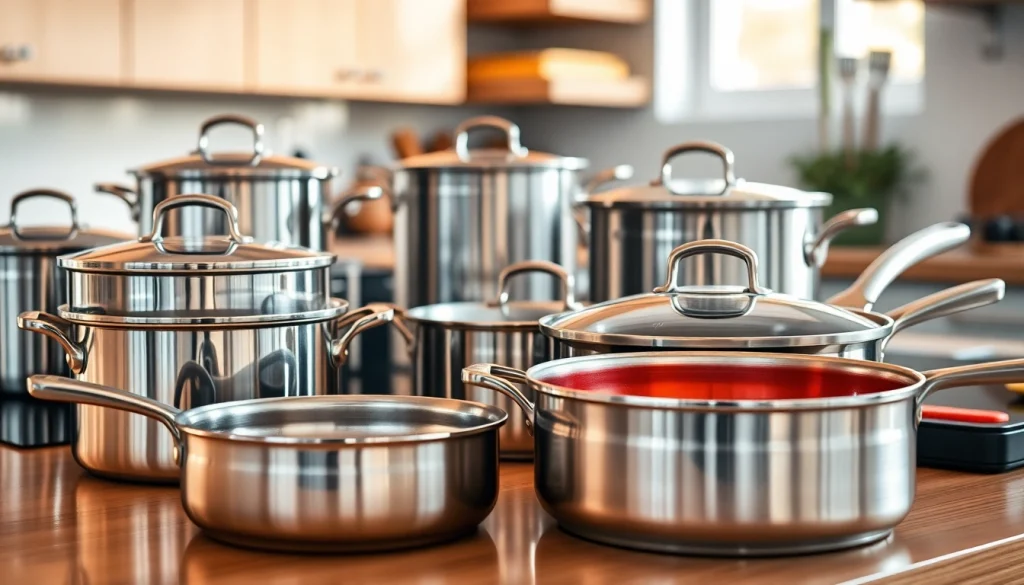
Stainless steel cookware is popular among home cooks for good reason. It offers great durability, is resistant to rust and corrosion, and is easy to clean. When looking for stainless steel cookware for induction, ensure it has a magnetic base to enhance compatibility with induction cooktops.
Cast Iron Cookware
Cast iron cookware is renowned for its heat retention and even heating. It can be a great fit for induction cooking if it contains a ferrous material. Additionally, cast iron adds beneficial elements to food when seasoned correctly, promoting both flavor and health.
Ceramic and Non-Stick Cookware
Ceramic and non-stick cookware provide excellent food release and make cooking and cleaning easier. However, it’s crucial to check if they are specifically designed for induction as their coatings can sometimes prevent them from being magnetic. Look for ceramic options that guarantee induction compatibility for the best experience.
Choosing the Best Cookware for Induction NZ
Key Features to Look For
When searching for the best cookware for induction NZ, consider factors such as material, durability, heat conductivity, and safety features. Cookware should have a flat bottom to ensure optimal contact with the induction surface, while having well-fitted lids can facilitate efficient cooking.
Price vs. Performance
While it may be tempting to opt for cheaper cookware, investing in higher-quality options often pays off in the long run through better performance and longevity. Evaluate the cost against the expected lifespan and the quality of cooking to find the optimal price-performance balance that meets your cooking needs.
Comparative Advantages of Different Sets
Many cookware sets offer distinct advantages. For instance, a stainless steel set may provide durability, while a non-stick set may deliver convenience. Assess various options and consider what traits align with your cooking style, budget, and health preferences when making a decision.
FAQs About Induction Cookware
What cookware is incompatible with induction?
Cookware made from aluminum, copper, glass, or ceramic that does not have a magnetic base will not work on induction cooktops. Ensure your cookware has magnetic capabilities for optimal use.
How do I maintain my induction cookware?
To maintain induction cookware, avoid using abrasive cleaners, as they can scratch the surface. Instead, use soft sponges and mild detergents. Always dry thoroughly to prevent water spots or rust build-up.
Are there eco-friendly options?
Yes, many manufacturers produce eco-friendly cookware that is free from harmful chemicals. Look for options labeled as non-toxic or derived from sustainable materials to ensure environmentally safe cooking.
Can I use my old cookware on induction?
If your old cookware is made of magnetic materials, it may work with induction stovetops. To check, perform a simple magnet test: if a magnet sticks to the bottom, it’s likely induction-compatible.
What brands are recommended for induction cookware?
While specific brands are not discussed here, look for reputable brands known for their durable and high-performance cookware. Reviews and customer feedback can also help identify top candidates.