
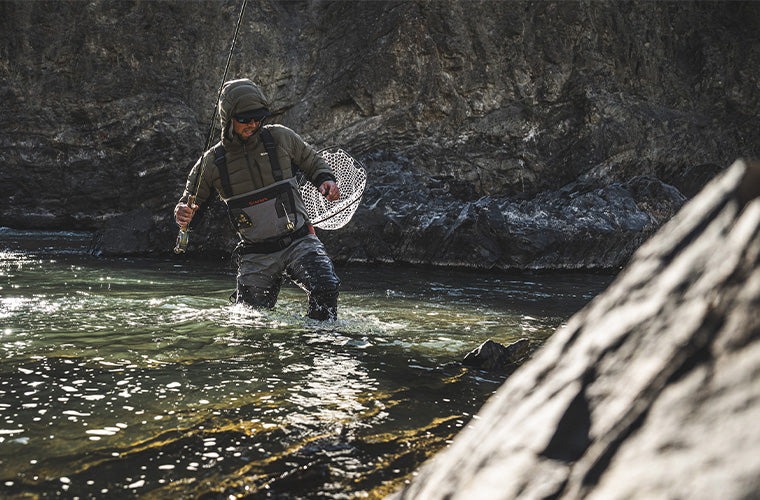
When it comes to fly fishing, having the right equipment can make all the difference in your experience, and one essential tool is a Fly fishing net. A high-quality net not only helps secure your catch safely but also enhances your overall fishing technique. With so many styles, materials, and sizes available, selecting the right fly fishing net can feel overwhelming. This guide will walk you through the key factors to consider, helping you choose a net that perfectly suits your style and needs.
Understanding the Role of a Fly Fishing Net
Safety and Catch Preservation
One of the primary purposes of a fly fishing net is to ensure the safety of both the angler and the fish. Properly designed nets minimize stress on the fish, reduce the risk of injury, and support catch-and-release practices. Nets with soft, rubberized meshes are particularly popular because they prevent scales from being damaged and reduce tangling.
Enhancing Your Fishing Technique
A well-chosen fly fishing net can improve your angling efficiency. Quick, easy-to-use nets allow for smoother landings, letting you focus on the next cast without losing momentum. Certain designs also complement specific fishing environments, such as rivers, lakes, or saltwater flats.
Key Features to Consider When Choosing a Fly Fishing Net
Net Material
Fly fishing nets are typically made from nylon, rubber, or a combination of materials. Nylon nets are lightweight and cost-effective, but they can be rough on fish scales and hooks. Rubber nets, on the other hand, are gentler on fish and prevent hooks from tangling, making them ideal for catch-and-release fishing.
Net Size and Depth
The size of the net should match the type of fish you’re targeting. Smaller, shallow nets work well for trout or panfish, while larger, deeper nets are better suited for salmon or bass. Consider a net that balances portability with functionality, especially if you frequently wade into rivers.
Handle Design and Length
Fly fishing net handles vary in length and shape. Short handles offer better maneuverability in tight spaces, while long handles provide reach for larger fish or deeper water. Some nets even feature extendable or telescopic handles for versatile fishing situations.
Portability and Storage
If you often hike to remote fishing spots, the net’s weight and portability are crucial. Collapsible or compact nets are easier to carry, while lightweight designs reduce fatigue during long fishing sessions. Consider a net with a clip or strap for convenient attachment to your vest or backpack.
Different Types of Fly Fishing Nets
Traditional Wooden Nets
Wooden-frame nets offer classic style and durability. They are sturdy, long-lasting, and often feature ergonomic handles. Many anglers appreciate the aesthetic appeal of a well-crafted wooden net, which also tends to float if accidentally dropped in water.
Rubberized Nets
Rubber nets have gained popularity for their fish-friendly design. The soft, non-abrasive material reduces injury to fish and prevents hooks from snagging, making them ideal for catch-and-release anglers. They are slightly heavier than nylon nets but provide significant advantages in fish safety.
Collapsible and Telescopic Nets
For anglers who travel frequently or fish in tight spaces, collapsible or telescopic nets are a game-changer. These nets combine convenience with functionality, allowing for easy transport without sacrificing net size. Modern designs often feature secure locking mechanisms for stability during use.
Streamer and Catch-and-Release Nets
Streamer nets are designed for large, strong fish species. They are deeper and more robust, allowing anglers to handle powerful fish with ease. Catch-and-release nets, often made with rubber or soft mesh, prioritize the safety of the fish while ensuring a secure landing.
Matching Your Fly Fishing Net to Your Style
For Wading Anglers
If you enjoy wading through rivers and streams, a lightweight, compact net with a comfortable handle is ideal. Rubberized mesh prevents damage to delicate fish and provides ease of use in flowing water.
For Boat or Kayak Anglers
Anglers fishing from boats or kayaks may benefit from a larger, sturdier net. Long handles offer reach, and collapsible frames help with storage in limited space. Durable construction is essential to withstand occasional bumps or impacts.
For Travel and Expedition Fishing
Travel anglers should prioritize nets that are lightweight, collapsible, and easy to pack. Materials like rubberized mesh combined with telescopic handles ensure convenience without sacrificing functionality.
Maintenance and Care Tips for Longevity
Cleaning and Drying
After each fishing trip, rinse your net with fresh water to remove dirt, debris, and salt. Allow it to air dry completely before storing to prevent mold or mildew growth.
Inspecting for Damage
Regularly inspect your net for wear and tear, especially the mesh and handle joints. Repair minor damage promptly to avoid larger problems during use.
Proper Storage
Store your net in a cool, dry place, preferably hanging or clipped to prevent bending or deformation. Avoid prolonged exposure to direct sunlight, which can weaken materials over time.
Conclusion
Choosing the right fly fishing net is about balancing style, functionality, and personal preferences. By considering factors such as material, size, handle design, and portability, you can find a net that enhances your fishing experience while keeping your catches safe. Whether you’re wading through streams, paddling a kayak, or traveling to remote fishing destinations, a thoughtfully selected net becomes an invaluable tool in your fly fishing arsenal. Invest in a quality net that aligns with your style and needs, and you’ll enjoy more successful, enjoyable, and sustainable fishing adventures.