
As sustainability becomes a major priority in the construction industry, developers and manufacturers are increasingly seeking building solutions that reduce waste, improve efficiency, and support environmental goals. Green building projects focus on using materials and processes that contribute to long-term sustainability while maintaining high performance standards.
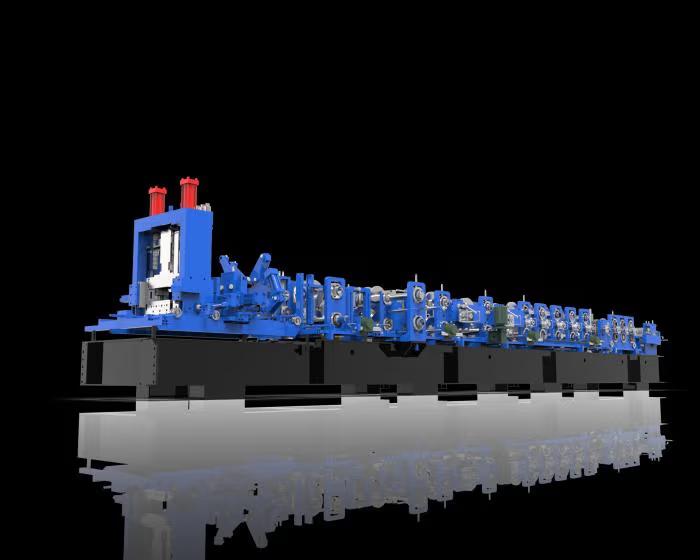
Roll forming technology has become an important part of this movement. By producing precise metal components with minimal material waste, equipment such as a cold formed steel machine helps manufacturers support environmentally responsible construction practices. These technologies contribute to efficient production and the growing demand for sustainable building materials.
The Growing Importance of Sustainable Construction
Modern construction projects are placing greater emphasis on energy efficiency, resource conservation, and environmentally friendly materials. Builders are looking for solutions that can reduce waste during both manufacturing and construction.
Roll formed steel products are widely used in green building projects because they offer durability, consistency, and efficient material utilization. As sustainability standards continue to evolve, roll forming technology is playing an increasingly valuable role in supporting these objectives.
Benefits of Roll Forming for Green Building Projects
Reduced Material Waste
Roll forming is a highly efficient manufacturing process that minimizes scrap generation. This helps manufacturers make better use of raw materials and reduce production waste.
Efficient Steel Utilization
A cold formed steel machine produces accurate steel profiles that maximize material efficiency while maintaining structural strength and reliability.
Recyclable Building Materials
Steel is one of the most recyclable construction materials available. Roll formed steel components can support sustainability goals by contributing to circular construction practices.
Energy-Efficient Production
Modern roll forming systems are designed to operate efficiently, helping manufacturers reduce energy consumption during production.
Design Flexibility
A curving machine can create custom curved profiles for architectural applications, allowing designers to achieve unique building designs while maintaining material efficiency.
Roll formed products are commonly used in:
- Steel framing systems
- Roofing structures
- Wall panels
- Commercial buildings
- Industrial facilities
- Sustainable construction projects
- Architectural design applications
Its versatility makes roll forming suitable for a wide range of green building requirements.
Choosing the Right Roll Forming Solution
When selecting roll forming equipment, manufacturers should consider production efficiency, material compatibility, accuracy, and long-term reliability. A well-designed system should help reduce waste while supporting consistent product quality.
For companies seeking efficient production solutions, advanced cold formed steel machine and curving machine technologies can help meet both manufacturing and sustainability objectives while supporting modern construction requirements.
Conclusion
As green building practices continue to gain momentum worldwide, roll forming technology is becoming an increasingly important part of sustainable construction. Its ability to reduce waste, improve efficiency, and support recyclable materials makes it a valuable manufacturing solution.
Whether producing structural components with a cold formed steel machine or custom architectural profiles with a curving machine, roll forming technology helps support the growing demand for environmentally responsible building projects.