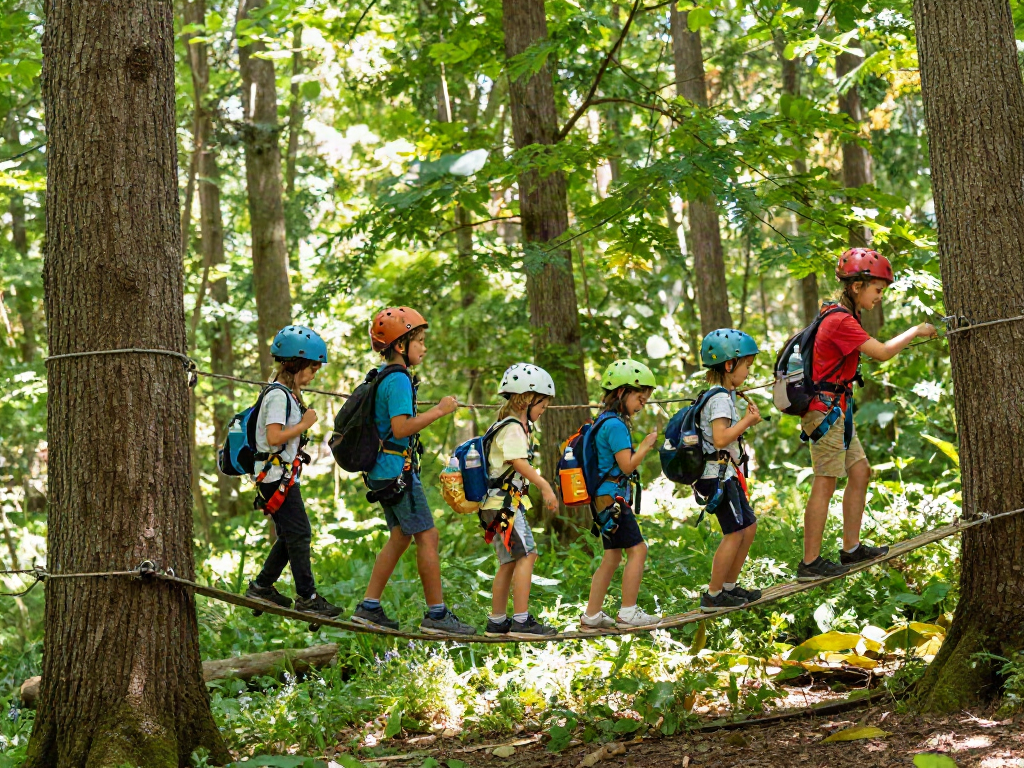
Understanding Rope Bridges: An Overview
Rope bridges have been an essential part of engineering, adventure sports, and playground design for centuries. These versatile structures not only serve as a means of transportation over obstacles such as rivers and valleys but have also gained popularity in recreational activities and team-building exercises. The use of a rope bridge transcends cultures and time, inviting climbers and explorers alike to engage with the environment in unique ways. When exploring options, Rope Bridge solutions can provide comprehensive insights into the various kits and designs available for both personal and commercial use.
What is a Rope Bridge?
A rope bridge is a suspension bridge made primarily from ropes and is often designed to connect two points, such as platforms in a treehouse or the banks of a river. The basic concept is straightforward: two or more anchor points secure the ropes, creating a flexible but sturdy passageway that can accommodate foot traffic. While the traditional rope bridge is built using natural materials, modern variants often incorporate synthetic ropes and additional safety features, making them suitable for a broader range of uses.
Types of Rope Bridges for Various Uses
Rope bridges can be categorized based on their intended use. Here are some common types:
- Traditional Rope Bridges: Often used in rural locations, these bridges typically use natural materials such as hemp or jute.
- Adventure Park Bridges: Designed for outdoor adventure parks, these structures feature robust safety systems and are built to handle large amounts of traffic.
- Playground Rope Bridges: Found in children's play areas, these bridges encourage physical activity and are crafted with safety in mind.
- Commercial Rope Bridges: Used in tourist attractions, these bridges can offer breathtaking views, combining utility with aesthetics.
Key Safety Considerations When Using Rope Bridges
Safety is paramount when constructing and using rope bridges. Here are some vital considerations:
- Weight Capacity: Ensure the bridge can support the expected load without risk.
- Material Quality: Use high-quality ropes and fastenings that resist wear and tear from weather elements.
- Regular Inspections: Implement a schedule for routine checks to identify any potential hazards such as fraying ropes or unstable anchors.
- Clear Use Instructions: Provide clear guidelines for users to ensure they understand the safety protocols whilst using the bridge.
Building Your Own Rope Bridge
Creating a rope bridge can be an exciting project for families and outdoor enthusiasts. Not only does it encourage teamwork and creativity, but it also offers a valuable opportunity to learn about engineering principles. Here’s how to get started.
Materials Needed for Your Rope Bridge Project
To build a rope bridge, you will need the following materials:
- Strong, weather-resistant rope (preferably polyester or nylon)
- Anchor points (trees, poles, or sturdy structures)
- Carabiners for securing connections
- Wooden planks or pallets for walking surfaces
- Safety gear (helmets, harnesses, etc.)
Step-by-Step Guide to Constructing a Rope Bridge
Follow these steps for a safe and successful construction process:
- Choose a Location: Select a suitable site with stable anchor points, ensuring the ground is secure and level.
- Install Anchor Points: Secure your anchor points firmly in the ground or trees.
- Lay the Ropes: Measure and cut the rope to the desired length, then attach it to the anchor points with carabiners.
- Add the Walking Surface: If necessary, add wooden planks to create a more stable walking surface.
- Safety Checks: Before use, inspect every component of the bridge to ensure it meets safety standards.
Maintenance Tips for Longevity and Safety
To ensure your rope bridge lasts and remains safe to use, consider the following maintenance tips:
- Inspect the rope for fraying or damage regularly.
- Clean the bridge surface to remove debris that could pose a slipping hazard.
- Store the ropes in a dry place when not in use to prevent mildew.
- Replace worn-out materials instantly to maintain safety standards.
Rope Bridges in Outdoor Activities
Rope bridges have substantial utility in various outdoor activities, providing unique experiences that blend fun with character-building exercises.
The Role of Rope Bridges in Team-building Exercises
Rope bridges serve as excellent tools for team-building exercises. They encourage communication, cooperation, and problem-solving among participants. Groups can engage in challenges that require them to devise strategies to cross the bridge collectively, strengthening their camaraderie and teamwork skills.
Using Rope Bridges for Adventure Sports
In the realm of adventure sports, rope bridges are often integrated into courses that test physical limits and adaptability. Activities such as zip-lining, high-ropes courses, and rock climbing frequently incorporate rope bridges to elevate the challenge and enhance the thrill for participants.
Educational Benefits of Natural Playgrounds with Rope Bridges
Natural playgrounds that feature rope bridges offer multifaceted educational benefits. They promote physical activity, encourage imaginative play, and teach children about balance, coordination, and risk management. These play structures foster an appreciation for the outdoors while providing children with a valuable learning environment.
Choosing the Right Rope Bridge Kit
Selecting the ideal rope bridge kit requires careful consideration of several factors to ensure a safe and enjoyable experience.
Factors to Consider When Selecting a Rope Bridge Kit
When choosing a kit, consider the following:
- Intended Use: Ensure the kit is suitable for your specific needs, whether for personal use, commercial settings, or playgrounds.
- Material Quality: Always opt for high-quality materials that can withstand environmental stresses.
- Safety Features: Look for kits that come with built-in safety measures and instructions.
- Capacity: Ensure the kit can safely support the number of users expected.
Comparative Review of Popular Rope Bridge Kits
Here’s a brief overview of some popular rope bridge kits currently available:
- Rambler Rope Bridge: Known for its durability and UV protection, this kit is ideal for treehouses and playscapes.
- Adventure Bridge Kit: Designed for commercial use, this kit features extra safety harnesses and is perfect for adventure parks.
- DIY Rope Bridge Kit: For those who enjoy a hands-on approach, DIY kits provide all materials with guide instructions.
Consumer Tips for Ensuring Quality and Safety
When making your purchase, ensure to:
- Read reviews and testimonials from previous users.
- Check for safety certifications and compliance with relevant standards.
- Compare prices among different suppliers to ensure the best value.
Future Trends and Innovations in Rope Bridges
The rope bridge market is evolving, with innovations that enhance both functionality and safety for users.
Emerging Designs for 2026 and Beyond
Future designs will likely incorporate lightweight materials that offer greater flexibility and strength. Enhanced aesthetic features, such as decorative lighting and unique shapes, will appeal to both children and adults alike.
Integration of Technology in Rope Bridges
As technology advances, we can expect to see rope bridges equipped with smart sensors that monitor structural integrity, providing real-time data on usage. This innovation will ensure safety and longevity, making them safer for all users.
Predictions for the Rope Bridge Market in the Next Decade
The demand for rope bridges is anticipated to rise as outdoor recreational activities gain popularity. Innovations in materials and safety features will likely lead to more widespread adoption in parks, schools, and adventure facilities worldwide.
What is a rope bridge called?
A rope bridge is often referred to as a "suspension bridge" or "swing bridge," depending on its design and functionality.
How do you make a rope bridge?
A rope bridge can be constructed by securing strong ropes between stable anchor points and adding planks for walking surfaces, ensuring safety and stability throughout.
What type of rope is best for a rope bridge?
High-strength polyester or nylon ropes are recommended for building rope bridges due to their durability and resistance to environmental factors.
Rope bridge safety tips?
When using rope bridges, always ensure that users are briefed on safety protocols and that regular inspections are conducted to maintain structural integrity.
Best locations for rope bridge installation?
Ideal locations for installing rope bridges include wooded areas with trees, adventure parks, and natural playgrounds, where they can enhance the recreational experience.