Understanding Marginal Pond Plants
Marginal pond plants are an essential feature in pond ecosystems, serving not only as stunning adornments but also providing numerous ecological benefits. These plants grow at the edge of ponds, marshes, and slow-moving streams, thriving in shallow waters where their roots can uptake nutrients from the soil and water. Understanding their role and characteristics can significantly enhance your gardening and environmental efforts, especially in creating sustainable habitats that support local wildlife. For those keen on exploring options, Marginal Pond Plants offer comprehensive insights into the types and varieties available.
What Are Marginal Pond Plants?
Marginal pond plants are defined by their growth habit, typically found in wetlands or along the water’s edge. These aquatic plants grow in water that is typically less than 30 cm deep, forming a transition zone between the aquatic ecosystem and terrestrial habitats. Common examples include sedges, rushes, and various herbaceous plants. Their adaptability to fluctuating water levels makes them invaluable for biodiversity.
Types of Marginal Pond Plants
- Reeds: Tall, grass-like plants that can reach several feet in height, providing excellent habitat for wildlife.
- Sedges: Grass-like plants that add texture and stability to pond edges, often featuring different varieties such as Carex and Cyperus.
- Bulrushes: Characterized by their stout stems, these plants thrive in deeply submerged soils and can tolerate a variety of environmental conditions.
- Water Lilies: Although primarily aquatic, certain varieties can be categorized as marginal, as their leaves often float in shallower waters.
- Marsh Marigold: A perennial plant that produces bright yellow flowers in early spring, bringing vibrant color to the pond edge.
Benefits of Marginal Pond Plants in Ecosystems
Marginal pond plants play several critical roles in their ecosystems. They stabilize the banks of ponds and waterways, reducing erosion while providing habitat for amphibians, insects, and birds. These plants also contribute to water filtration, improving water quality by absorbing excess nutrients and contaminants. Furthermore, they serve as essential nesting sites for various bird species and offer shade and protection for fish and other aquatic life.
Choosing the Right Marginal Pond Plants
Factors to Consider When Selecting Plants
When selecting marginal pond plants for your garden or landscape, several factors should be taken into account to ensure optimal growth and harmony within the ecosystem:
- Water Level: Assess the depth of your pond and choose plants that thrive in those specific conditions.
- Soil Type: Different plants prefer varied soil types; knowing whether your pond has clay, sandy, or loamy soil is crucial.
- Sunlight Exposure: Observe how much sunlight your pond receives each day; some plants prefer full sun, while others thrive in shade.
- Climate: Consider your local climate; certain plants may not survive in colder areas or may require special care in regions with extreme temperatures.
Top Marginal Pond Plants for UK Gardens
Here are some of the best marginal pond plants that are well-suited for UK gardens:
- Common Reed (Phragmites australis): This native plant can grow quite tall and provides excellent habitat for various birds.
- Marsh Woundwort (Stachys palustris): Known for its vibrant purple flowers, this plant adds beauty while thriving in wet soils.
- Flag Iris (Iris pseudacorus): A striking addition with its yellow flowers, it thrives at the water’s edge and attracts pollinators.
- Golden Club (Orontium aquaticum): Producing unique yellow flowers, this plant is both ornamental and beneficial to the pond ecosystem.
Creating Biodiversity with Marginal Plants
Introducing a variety of marginal plants not only enhances the aesthetic appeal of your pond but also encourages biodiversity. By planting a mix of species, you create varied habitats that support different wildlife, from frogs and newts to dragonflies and damselflies. Aim to plant in clusters and diversify the planting height to mimic natural ecosystems, fostering a thriving pond environment.
Planting and Care Tips
Best Practices for Planting Marginal Pond Plants
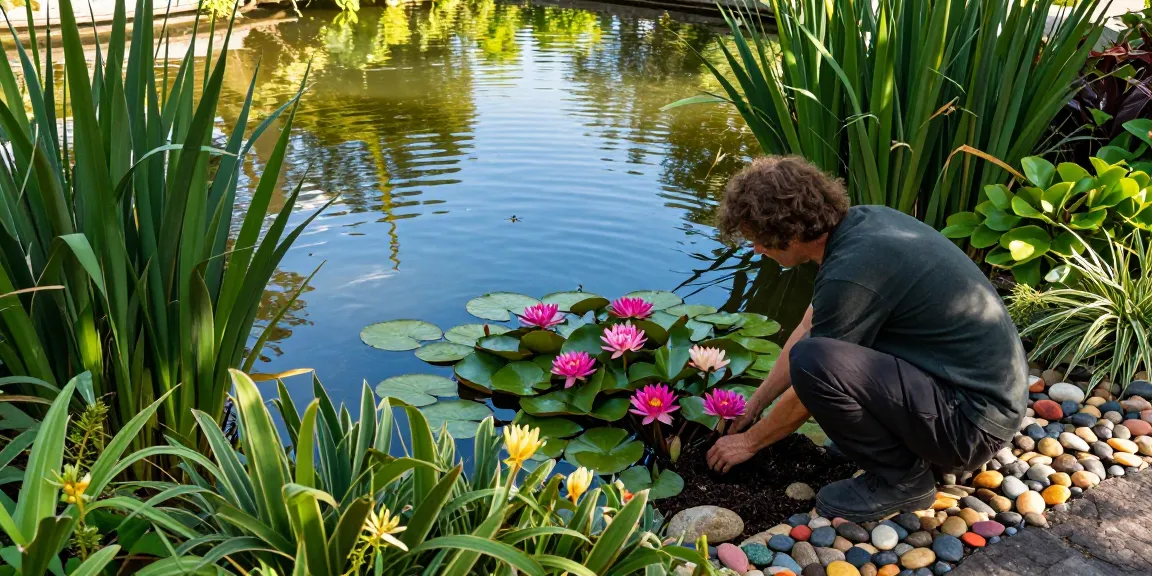
When planting marginal pond plants, follow these best practices to ensure their success:
- Timing: The best time to plant is during the spring or early autumn when temperatures are mild.
- Preparation: Clear the planting area of weeds and debris to reduce competition. Amend the soil with organic material if necessary.
- Spacing: Give each plant enough space to grow; overcrowding can lead to disease and poor growth.
- Watering: Ensure plants receive consistent moisture right after planting to help establish roots.
Maintenance Strategies for Longevity
To maintain the health and appearance of your marginal pond plants, consider these strategies:
- Pruning: Regularly trim dead or overgrown foliage to promote healthy growth and prevent diseases.
- Fertilization: Use organic fertilizers sparingly, as excessive nutrients can lead to algae blooms.
- Pest Management: Monitor for pests such as aphids or snails and manage them using organic pest control methods.
Common Pests and Diseases to Watch For
Despite their hardiness, marginal pond plants can fall victim to various pests and diseases, including:
- Aphids: These small insects can cause significant damage by sucking sap from the plants.
- Fungal Infections: Overwatering or poor air circulation can lead to diseases such as root rot.
- Snails: While they can be part of a healthy ecosystem, large populations can damage tender foliage.
Designing Your Pond with Marginal Plants
Creating Visual Interest with Plant Arrangements
Designing a visually appealing pond requires careful planning of plant arrangements. Consider using a mix of heights, colors, and textures to create layers. Taller plants can be positioned at the back or center, while shorter varieties should line the edges. This strategic layout not only enhances aesthetics but also serves ecological functions, providing shelter for wildlife.
Combining Marginal Plants with Other Aquatic Features
To achieve a harmonious pond design, it’s beneficial to integrate marginal plants with other aquatic features such as rocks, koi fish, and fountains. Pairing these plants with stone borders enhances natural aesthetics, while fish swimming amidst the foliage can help control insect populations, contributing to a balanced ecosystem. Experimenting with focal points and varying plant heights results in a dynamic visual experience.
Seasonal Changes and Their Impact on Design
Understanding seasonal changes can greatly influence your pond design and plant selection. During spring, marginal plants emerge and bloom, offering vibrant colors; summer sees full foliage and robust growth, while autumn’s change reveals stunning foliage variations. Winter presents unique challenges, as many plants die back, so choose varieties that maintain structure or interest throughout the colder months.
Future Trends in Pond Gardening
Sustainable Practices for Marginal Plant Care
As environmental concerns rise, sustainable practices in pond gardening are becoming more prevalent. Organic gardening methods, such as using native plant species and minimizing chemical usage, align with eco-friendly principles. Consider implementing rainwater harvesting systems and natural filtration methods to maintain water quality and reduce reliance on municipal supplies.
Innovative Designs Using Marginal Pond Plants
Innovative pond designs are trending, with gardeners increasingly incorporating technology and modern aesthetics into their landscapes. Features like floating gardens or integrated solar pumps not only create functional beauty but also promote biodiversity. Utilizing marginal plants alongside modern elements like glass, steel, and eco-friendly materials can help bridge the gap between nature and contemporary landscaping.
Predictions for 2026 in Pond Gardening
Looking to the future, it’s predicted that pond gardening will embrace even more eco-conscious practices by 2026. Expect advancements in biodiversity conservation techniques and an increase in the use of artificial intelligence for garden management and plant selection. More communities are likely to establish urban green spaces, promoting mental health and combating urban heat while enhancing the role of marginal ponds as crucial biodiversity hotspots.
Frequently Asked Questions
What are the best conditions for Marginal Pond Plants?
Marginal pond plants thrive in shallow waters with well-drained soil. They typically require a minimum of 4-6 hours of sunlight daily, although some varieties prefer partial shade. Consistent moisture is crucial, particularly during dry spells.
How do I propagate Marginal Pond Plants?
Propagation is often achieved through division or cuttings. For many species, dividing clumps every few years allows for healthier plants and a more vigorous pond ecosystem. Ensure the divisions have a sufficient root system to establish successfully.
Can Marginal Pond Plants help with water filtration?
Yes, marginal pond plants play a vital role in biological filtration. They absorb excess nutrients and pollutants, helping to improve water quality and clarity. Their root systems also provide habitat for beneficial bacteria that further assist in breaking down harmful substances.
Are Marginal Plants suitable for all ponds?
While marginal plants can thrive in various pond types, it’s crucial to consider each species’ environmental preferences. Some may do well in deeper water, while others prefer very shallow areas. Always consult with local gardening experts or resources to choose the best species for your pond.
How do I combat common issues with Marginal Pond Plants?
Dealing with pests and diseases can be approached through natural pest control methods, such as introducing beneficial insects or using organic sprays. Monitoring water quality and maintaining good circulation can prevent many common issues. Regular maintenance and observation will help identify problems early, ensuring a healthy pond ecosystem.