
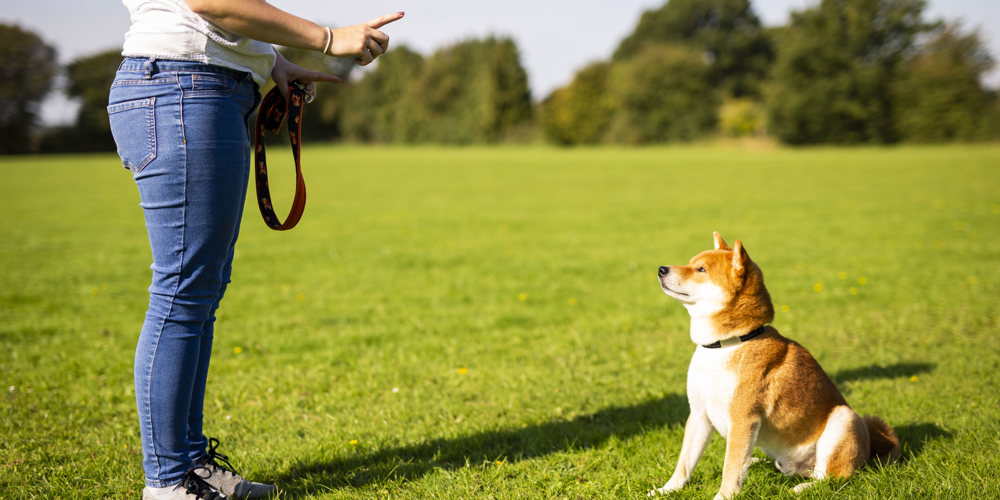
Off leash dog training is one of the most valuable skills a dog can learn, especially for owners who want freedom, safety, and better control during outdoor activities. When done correctly, off leash dog training builds trust, improves recall reliability, and strengthens communication between dogs and their handlers. It is not just about letting a dog roam freely, it is about ensuring they respond instantly, even in distracting or high-energy environments.
For many owners, achieving reliable off-leash behavior feels difficult or even impossible. However, with structured methods, consistency, and professional guidance from experts like Rob’s Dog Training, dogs can learn to respond reliably without a leash while still staying safe and obedient.
This guide explores how off leash dog training works, common mistakes to avoid, and why professional training can dramatically improve results.
- Why Off Leash Dog Training Matters for Real-World Safety
- Building the Foundation Recall in Off Leash Dog Training
- Common Mistakes in Off Leash Dog Training
- Why Professional Off Leash Dog Training Works Faster
- Step-by-Step Approach to Off Leash Dog Training Success
- The Role of Consistency and Owner Involvement
- Why Choose Rob’s Dog Training for Off Leash Dog Training
- Developing Confidence Through Off Leash Training
Why Off Leash Dog Training Matters for Real-World Safety
Off leash dog training is not just a convenience, it is a safety system. A well-trained dog with strong recall can avoid traffic, aggressive animals, or unsafe environments. It also allows owners to enjoy parks, hiking trails, and open spaces with more confidence.
Key benefits include:
- Improved recall response in distractions
- Stronger obedience and impulse control
- Reduced leash frustration and pulling behavior
- Better mental stimulation for dogs
- Increased trust between dog and owner
When dogs understand boundaries and expectations, they gain freedom without compromising safety.
Building the Foundation Recall in Off Leash Dog Training
The foundation of successful off leash dog training is reliable recall, your dog’s ability to return immediately when called. Without this, off-leash freedom is unsafe.
Effective recall training focuses on:
1. High-Value Reinforcement
Dogs must believe that returning to you is always rewarding. Treats, praise, and play help build strong motivation.
2. Progressive Distraction Training
Start in low-distraction environments before moving to parks, trails, and public spaces.
3. Consistency in Commands
Use one clear recall command such as “come” or a whistle cue, and avoid repeating it multiple times.
4. Controlled Freedom
Gradually increase off-leash time as reliability improves, rather than rushing the process.
With these steps, dogs learn that returning is always the best option, no matter what is happening around them.
Common Mistakes in Off Leash Dog Training
Many training setbacks happen due to avoidable mistakes. Understanding these can significantly improve results and help owners build stronger communication, better timing, and more reliable long-term obedience in real-world environments.
1. Moving Too Fast
One of the biggest errors is giving off-leash freedom before the dog is ready. This leads to unreliable recall and unsafe behavior.
2. Inconsistent Reinforcement
If rewards are inconsistent, dogs lose motivation to respond.
3. Relying on Punishment
Fear-based methods can damage trust and reduce long-term obedience. Positive reinforcement is more effective for lasting results.
4. Skipping Impulse Control Training
Without impulse control, dogs may chase animals, people, or distractions instead of responding to commands.
Avoiding these mistakes helps create a smoother and more successful training experience.
Why Professional Off Leash Dog Training Works Faster
While some owners attempt self-training, professional programs often deliver faster and more reliable outcomes. Expert trainers understand dog psychology, behavior patterns, and structured progression systems that most owners are not exposed to.
With professional guidance from Rob’s Dog Training, owners gain access to:
- Structured training plans tailored to each dog
- Behavior correction techniques based on real experience
- Advanced recall conditioning methods
- Controlled environments for safe off-leash practice
- Owner coaching for long-term success
Professional programs reduce guesswork and ensure that dogs learn correctly the first time, preventing bad habits from forming.
Step-by-Step Approach to Off Leash Dog Training Success
A structured system is key to achieving reliable off-leash behavior. Here is a simplified progression used by professional trainers:
Step 1: Basic Obedience Training
Before off-leash work, dogs must understand sit, stay, down, and heel commands. These foundation skills create better communication and help dogs respond appropriately in different situations.
Step 2: Leash Recall Mastery
Practice recall on a long leash to ensure control while allowing distance. This helps dogs learn that returning to their handler is rewarding and expected.
Step 3: Controlled Off-Leash Environment
Introduce off-leash training in fenced or secure areas with minimal distractions. Safe environments allow dogs to build confidence without unnecessary risks.
Step 4: Gradual Distraction Increase
Add other dogs, people, and environmental triggers slowly over time. Increasing distractions gradually helps prevent confusion and strengthens focus.
Step 5: Real-World Practice
Transition to parks, trails, and open areas once reliability is consistent. Real-life practice prepares dogs for unexpected situations while maintaining good behavior.
Step 6: Maintenance Training
Continue reinforcing commands regularly to maintain long-term obedience. Consistent practice keeps skills sharp and encourages dependable off-leash responses.
Successful off-leash training requires patience, repetition, and trust between the dog and owner. Each step builds upon the previous one, ensuring dogs do not become overwhelmed and instead develop confidence, focus, and better decision-making skills.
The Role of Consistency and Owner Involvement
Even with professional training, owner participation is critical. Dogs do not generalize behavior automatically, they learn based on repetition and reinforcement from their primary handler.
Owners should:
- Practice daily short training sessions
- Reinforce commands during everyday walks
- Avoid letting dogs “break rules sometimes”
- Maintain calm, confident leadership
- Reward good behavior consistently
Consistency builds clarity, and clarity builds trust.
Why Choose Rob’s Dog Training for Off Leash Dog Training
Choosing the right training provider can make a significant difference in results. Rob’s Dog Training focuses on structured, practical, and results-driven methods designed to improve real-world obedience, not just classroom behavior.
Their approach emphasizes:
- Clear communication between dog and owner
- Positive reinforcement-based learning systems
- Real-world training environments
- Long-term behavior stability
- Customized programs for different breeds and temperaments
Instead of quick fixes, the goal is lasting transformation that allows dogs to safely enjoy freedom while remaining under control.
Developing Confidence Through Off Leash Training
Off leash dog training is one of the most rewarding investments a dog owner can make. It enhances safety, improves communication, and allows dogs to experience greater freedom while staying responsive and controlled.
However, success depends on structure, patience, and proper guidance. When done correctly, especially with expert support from professionals like Rob’s Dog Training, off-leash reliability becomes an achievable and sustainable result.
If you are ready to improve your dog’s behavior and build true off-leash confidence, starting with a structured training program is the most effective step forward.
Learn more about structured training programs here at robsdogs.
\

